
Indian retail sector today is valued at $450 billion, and is increasing day by day due to its increasing middle class population and their spending power. Indian retail sector has two parts: organized and unorganized sector. Organized sector which forms around 20 -30 % in other countries , here in India it forms only about 6% while rest is all unorganized consisting of small retailers called as ‘kirana shops’, paan/beedi wala, convenience stores, departmental stores, pavement vendors etc. Organized retail consists of supermarkets, hypermarkets and modern retail outlets, malls, exclusive brand outlets etc which are located in urban areas or metros.
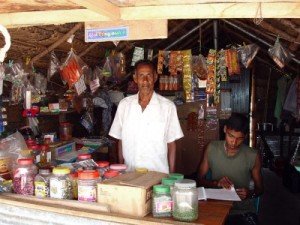
FDI in retail sector is not allowed, it is only allowed up to 51 % in single brand and government is still considering the opinion of allowing FDI in multi brand segment.100% FDI is allowed in cash and carry wholesale and export trading, both wall mart and Carrefour have already entered in India in this segment. Many big giants like Wall mart, Carrefour are waiting to earn their fortune in continuously growing market.FDI in retail sector will have both positive and negative effect if allowed. Both organized and unorganized sector will face adverse competition from global players. Wal-Mart has a turnover of $256 billion and growing at an average of 12 -13 % annually. Average size of its stores is 85000sq ft and average turnover is $51 million. Organized sector retail outlets in India like pantaloons, reliance cannot compare with the giant let alone the small retailers. Indian government still fears that if FDI is allowed in retail then unorganized sector will be affected very badly and it will result in a large lot of unemployed retailers and other youth which is employed in the supply chain, this unemployed lot can’t be absorbed in manufacturing or service sector which can ultimately push a large chunk of population below poverty line. In India unorganized retail is a ‘forced employment sector’, there are large number of retail outlets because when youth dose not find enough employment opportunities or is not educated enough then the easiest resort to earn decent money is to save money or get a loan to set up a shop. On an average a retailer earns Rs.186075 annually and only 4% of 12 million retail outlets have area more than 500 square ft. Now if FDI is allowed in such an unorganized sector than many changes can happen which can be positive or negative.
Talking about the organized sector, which consists of big Indian players who have entered in retail sector just to take advantage of diversification and expand their business, they will also be affected but from different prospects. Major challenges that lie ahead are:
Economies of scale: the global players have economies of scale and are perfect in cost cutting and providing the consumer the best at lowest price which still is a major challenge for Indian retail firms. The way they perform their process itself builds an entry barrier for other new firms.
Brand name: They bring with them world class products which have high quality and a highly valued brand name. The domestic brands don’t have that charm and attracting power as of global brands.
Technology: Global players are highly advanced in technology. The tools, equipments, kind of warehouses they use, their way of performing processes are highly advanced and cannot be compared with those used by Indian retail firms, which in turn provides better services and better quality products even in categories like perishable food etc.
Attract skilled employees: The work culture of global players is quite different from those of Indian players. They believe in earning profits by cutting costs as much as possible and at the same time are conscious towards career of their employees. Their approach is more oriented towards achieving ends rather than means. Attractive salary and high incentives can also attract skilled employees towards global players which is also a threat for big Indian retail firms.
Better infrastructure: Better storage facilities, better transportation medium and high investment can pose another threat to Indian retail firms which can hardly match the capabilities of giants on their own.
Joint ventures: Global players may not prefer to enter into joint ventures with Indian firms and may also close down the existing ventures in wholesale and single brand which may adversely affect the Indian firms. This is possible when 100% FDI is allowed in multi-brand retail.
You might like reading:
REVERSE MIGRATION : URBAN TO RURAL
Migration from rural to urban has brought in an imbalance in the eco system of our Indian society. This was happening because of the obvious reasons; poor people migrate for better livelihood called as push of rural while rich migrated for a better life style called as pull of urban. There is no one to blame as the urban places […]
From Thousands to Billions- Analysing Havells’ advertising campaign
Set in a sharp contrast of a slum right behind a multi-storeyed building, a mother sits at the fire she’s managed to set up outside her thatched roof and is making rotis for her little boy. Time and again, she burns her fingers on the heat of the flame, but carries on, determined to feed her child. Noticing her pain, […]